Have you ever thought about how many people have access to your home? The simple act of rekeying your locks can drastically change your security game, giving you peace of mind and control over who enters your space.
What You Will Learn
- Rekeying locks is a cost-effective way to boost home security compared to replacing entire locks.
- DIY rekeying allows homeowners to take control of their security, enhancing their skills while saving money.
- Regular maintenance of rekeyed locks ensures their longevity and functionality, contributing to ongoing home security.
- Recognizing signs that indicate a need for a professional locksmith can prevent more extensive repairs and enhance safety.
DIY Rekeying: Cost & Security Benefits
This visual summarizes the cost-effectiveness and security enhancements of DIY rekeying compared to professional services.
DIY Rekeying Benefits
- ✓Affordability: Cost-effective solution.
- ✓Convenience: Rekey at your own pace.
- ✓Enhanced Control: Gain security knowledge.
Security Enhancement
- 🔒Prevents Unauthorized Access.
- 🔒Increases Homeowner Control.
- 🔒Improves Security Standards.
Lock Maintenance Checklist
Understanding the Importance of DIY Rekeying for Home Security
As a homeowner, ensuring your space is secure is vital. One effective way to boost your home security is through DIY rekeying. This process not only saves you money but also empowers you to take control of your home’s security. By rekeying your locks, you can change the internal mechanism of your locks, ensuring that old keys no longer work. It's like giving your home a fresh start when it comes to safety!
Moreover, rekeying is particularly beneficial if you’ve recently moved into a new home or have lost a key. You never really know who might have had access to your former keys, which can leave you with an uneasy feeling. Rekeying allows you to rest easy, knowing that only your new keys will open your doors. For more detailed information on understanding lock mechanisms, you can refer to resources like the DoD Lock Program's User Guide.
Why Rekeying Locks is a Smart Choice for Homeowners
Rekeying is a smart choice for several reasons:
- Affordability: Compared to replacing entire locks, rekeying is a cost-effective solution.
- Convenience: You can rekey your locks at your own pace without the need to schedule an appointment with a locksmith.
- Enhanced Control: By learning to do it yourself, you gain valuable skill and knowledge about your home’s security.
As someone who has spent years in the locksmithing field, I’ve seen homeowners regain their peace of mind through rekeying. It’s a simple technique that can have a tremendous impact on your overall security! Additionally, understanding the basics of physical security, as outlined in guides like Physical Security Fundamentals, can further enhance your approach to home safety.
Cost Benefits of DIY Rekeying vs. Hiring a Professional Locksmith
When considering rekeying, a common dilemma is whether to hire a professional locksmith or do it yourself. Here’s a breakdown of the cost benefits:
- DIY Rekeying: Typically costs around $10-$30 for a rekeying kit, plus your time.
- Professional Locksmith: Can charge $50-$150 per lock, depending on service fees.
As you can see, going the DIY route can save you quite a bit of money! Plus, once you have the tools, you can rekey multiple locks at home without additional costs. This empowers you not just to save money but also to enhance your skills in home maintenance.
How Rekeying Enhances Your Home Security Measures
Rekeying your locks is more than just a simple fix; it plays a critical role in enhancing your overall home security. Here’s how:
- Prevents Unauthorized Access: By changing the locks, you limit access to anyone who may have had the previous keys.
- Increases Control: You decide who has access to your home, which is essential for peace of mind.
- Improves Security Standards: Keeping your locks updated with modern security features can deter potential intruders.
By rekeying, you are taking proactive steps to safeguard your home. Remember, every action counts when it comes to creating a secure environment for you and your loved ones!
Frequently Asked Questions About Rekeying Locks
What is rekeying a lock?
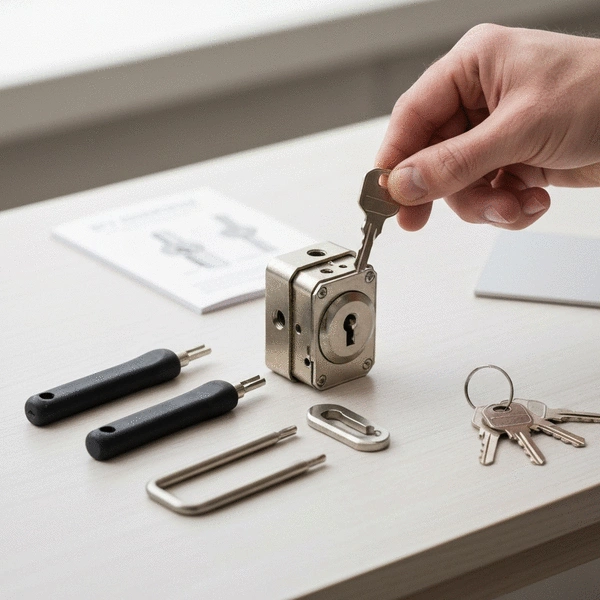
Rekeying a lock involves changing the internal pins and springs of the lock cylinder so that it will operate with a new key, rendering any old keys useless. It's a way to enhance security without replacing the entire lock.
Is DIY rekeying cheaper than hiring a professional?
Yes, DIY rekeying is significantly more cost-effective. A rekeying kit typically costs between $10-$30, whereas a professional locksmith can charge $50-$150 per lock, plus service fees.
When should I consider rekeying my locks?
You should consider rekeying your locks if you've recently moved into a new home, lost a key, had a key stolen, or if you want to restrict access for previous occupants or service providers.
How can I maintain my rekeyed locks?
Regular maintenance includes cleaning your locks to prevent dirt buildup, lubricating them with graphite powder (not oil), inspecting for rust or damage, and testing them periodically to ensure smooth operation.
What are the signs that I need a professional locksmith?
You should call a professional if your key frequently gets stuck or doesn't turn smoothly, if you hear unusual noises when operating the lock, if the lock shows physical damage, or if rekeying attempts haven't improved performance.
What is key control and why is it important?
Key control refers to managing and tracking who has copies of your keys. It's crucial for maintaining security after rekeying, as it prevents unauthorized duplication and ensures only trusted individuals have access to your home.
We Want to Hear From You!
As you consider rekeying your locks, we’d love to know: Have you ever rekeyed your locks yourself? What was your experience like?
Maintaining Your Rekeyed Locks for Longevity
After going through the rekeying process, it's vital to ensure your locks remain in top shape! Regular maintenance not only prolongs their lifespan but also ensures your home stays secure. Here are some essential maintenance tips you should follow:
- Clean your locks regularly to prevent dirt buildup.
- Apply a lubricant specifically designed for locks periodically.
- Check the functioning of each lock to ensure smooth operation.
- Keep an eye on the condition of the keys you use; worn keys can damage locks.
By dedicating just a few minutes each month to these simple tasks, you can keep your rekeyed locks performing as they should. Remember, maintenance is always less costly than repairs!
Regular Maintenance Tips to Keep Your Locks Functional
Here are some quick tips for maintaining your locks:
- Use graphite powder to lubricate the lock instead of oil, which can attract dust.
- Inspect your door hardware for any signs of rust or damage.
- Test each rekeyed lock every few weeks to ensure it opens smoothly.
- Consider using a lock cover to protect against weather elements if your locks are outside.
These steps will help maintain the integrity and functionality of your locks. Keeping them in good shape ensures peace of mind for you and your loved ones! For further guidance on general home safety, the CPSC's safety guides offer valuable insights that can be extended to overall home security practices.
Signs That Indicate a Professional Should be Consulted
Sometimes, despite your best efforts, issues can arise. Here are some signs it’s time to call in a professional locksmith:
- If your key frequently gets stuck or does not turn smoothly.
- When you notice any unusual noises when trying to operate the lock.
- When the lock shows signs of physical damage or wear.
- If you've rekeyed multiple times and the lock performance is still poor.
Recognizing these signs early can save you from more extensive repairs later. Remember, seeking help is a sign of wisdom, not weakness!
Key Control: Best Practices for Keeping Your Rekeyed Locks Secure
Once you’ve rekeyed your locks, maintaining key control is crucial to ensuring your home’s security. Here are some best practices to follow:
- Limit the number of copies of your keys made and keep track of who has them.
- Consider using a key management system for better organization.
- Store spare keys in a secure place; avoid hiding them in obvious spots.
- Regularly assess your key distribution—replace keys if you suspect they have been compromised.
By implementing these practices, you'll not only enhance your security but also gain peace of mind knowing your home is well-protected. At The Locksmith's Narrative, we believe that proactive measures are the key to a secure home!
Recap of Key Points
Here is a quick recap of the important points discussed in the article:
- DIY Rekeying: A cost-effective method to enhance your home security without the need for a locksmith.
- Peace of Mind: Rekeying ensures that only your new keys work, especially important if you've moved or lost a key.
- Maintenance Tips: Regularly clean and lubricate locks to ensure they function smoothly and last longer.
- Signs for Professional Help: Call a locksmith if your key gets stuck, the lock makes unusual noises, or shows signs of damage.
- Key Control Best Practices: Limit key copies, use a key management system, and regularly assess who has access to your home.