Have you ever felt that sinking frustration of a sticky lock or a broken key? You're not alone. Many homeowners face these challenges, but understanding common lock issues can turn panic into proactive problem-solving. Let's explore the essential insights from this troubleshooting guide and empower yourself in managing your home security.
What You Will Learn
- Sticky locks often result from dirt buildup, moisture, or poor lubrication; regular maintenance is crucial.
- Signs of a sticky lock include difficulty turning the key and unusual sounds, indicating the need for immediate attention.
- Broken keys can occur due to excessive force, wear, or improper duplication; handling keys with care can extend their life.
- Different lock types, such as deadbolts and padlocks, each have specific issues that can be managed with proper knowledge.
- Keyless entry systems come with unique troubleshooting challenges, including battery failures and signal interference.
- Effective fixes for sticky locks include cleaning the mechanism and using silicone or graphite lubricants.
- Knowing how to safely remove a broken key can save time and prevent further lock damage; tools like key extractors are helpful.
- Recognizing when to call a professional locksmith is essential for maintaining home security and avoiding costly repairs.
Common Lock Issues and Solutions
This overview summarizes common lock problems, their causes, and effective solutions, categorized by issue type and lock type.
Sticky Locks: Causes & Symptoms
Common Causes
- • Debris accumulation
- • Moisture (rust/corrosion)
- • Poor lubrication
Key Symptoms
- • Key requires extra effort
- • Difficulty closing/locking
- • Unusual sounds
Broken Keys: Scenarios & Signs
Why Keys Break
- • Excessive force
- • Wear and tear (old keys)
- • Improper duplication
Signs of Broken Key
- • Key not turning
- • Part of key visible
- • Grinding/clicking sounds
Lock Types & Unique Challenges
Traditional Locks
- • Deadbolts: Misalignment
- • Padlocks: Rust/corrosion
- • Cylinder locks: Mechanism failure
Keyless Systems
- • Battery failures
- • Signal interference
- • Software glitches
Effective Fixes & Tools
Sticky Lock Fixes
- • Inspect & clean debris
- • Use compressed air
- • Apply silicone/graphite lubricant (avoid oil)
Broken Key Removal
- • Needle-nose pliers
- • Key extractor tool
- • Lubricate if stuck
Understanding Common Lock Issues: A Troubleshooting Overview
As a locksmithing expert, I've encountered a wide variety of lock issues that can leave homeowners puzzled and frustrated. Understanding these common problems is the first step toward finding effective solutions. If you ever feel your lock is acting up, don't panic! Let’s dive into some frequent issues and how to troubleshoot them.
What Makes a Lock Sticky?
A sticky lock can turn a simple task into a frustrating experience. It’s crucial to recognize what causes this problem so you can address it promptly. Sticky locks generally arise from dirt and grime buildup along with inadequate lubrication.
Common Causes of Sticky Locks
- Debris accumulation: Dust, dirt, and grime can get trapped inside the lock.
- Moisture: Humidity can cause rust or corrosion, leading to a sticky mechanism.
- Poor lubrication: Without proper lubrication, the internal parts can become stiff and unresponsive.
By familiarizing yourself with these causes, you can take proactive measures to ensure your locks function smoothly. Remember, regular maintenance is key!
Identifying Symptoms and Their Implications
Recognizing the symptoms of a sticky lock can save you from future headaches. Here are some signs to watch for:
- If your key requires extra effort to turn, it may indicate a sticky lock.
- Difficulty in closing or locking the door can also suggest underlying problems.
- Unusual sounds while operating the lock signal that something isn't right.
Being aware of these symptoms can help prevent further damage and ensure your security remains intact.
Assessing the Problem: Broken Keys and Their Impact
Another common issue that many homeowners might face is a broken key. When a key snaps in a lock, it can leave you feeling helpless. Understanding the reasons behind broken keys can help you avoid this situation in the future.
Why Keys Break: Common Scenarios and Prevention
- Excessive force: Forcing the key can lead to breakage.
- Wear and tear: Old keys can weaken over time.
- Improper key duplication: A poorly made duplicate may not hold up.
If you want to extend the life of your keys, try to handle them gently and always get duplicates from a reputable locksmith like those at The Locksmith's Narrative! For more insights into common lock problems, you can refer to the Microsoft troubleshooting guide.
Recognizing the Signs of a Broken Key in the Lock
Identifying the signs of a broken key can save you time and stress. Look out for:
- The key not turning at all, despite your efforts.
- A part of the key still visible, indicating it's stuck inside.
- Unusual sounds, like grinding or clicking, when attempting to turn the key.
Being attentive to these signs can allow you to act quickly, potentially avoiding a call for emergency locksmith services.
Exploring Different Lock Types and Their Common Issues
Not all locks are created equal! Different types of locks can present their own unique challenges. Understanding these differences can empower you as a homeowner.
How Deadbolts, Padlocks, and Cylinder Locks Behave
- Deadbolts: Known for their sturdiness, but may become misaligned over time.
- Padlocks: Often susceptible to rust and corrosion if exposed to the elements.
- Cylinder locks: Can experience internal mechanism failures leading to sticking.
Each lock type has its quirks, but with regular maintenance and attention, you can keep them functioning optimally. For comprehensive guidelines on various lock mechanisms and their maintenance, the DoD Lock Program offers valuable resources.
Keyless Entry Systems: Unique Troubleshooting Challenges
Modern keyless entry systems are convenient but can come with their own set of challenges. Here are a few common issues:
- Battery failures: Ensure you check and replace batteries regularly.
- Signal interference: Ensure there are no obstructions that might hinder the electronic signals.
- Software updates: Like any technology, ensure your system is up-to-date to avoid glitches.
Understanding these challenges can help you manage your keyless entry system with greater confidence!
Pro Tip
Did you know? Regularly checking and maintaining your locks can extend their lifespan significantly! Just a few minutes each month to clean and lubricate can save you from costly repairs down the line.
Frequently Asked Questions About Lock Issues
Here are some common questions homeowners have about sticky locks and broken keys:
- Q: What are the most common causes of a sticky lock?
- A: Sticky locks are typically caused by dirt, dust, and grime buildup, moisture leading to rust or corrosion, and insufficient lubrication of the internal mechanisms.
- Q: How can I tell if my lock is becoming sticky?
- A: Key symptoms include needing extra effort to turn the key, difficulty in closing or locking the door, and hearing unusual sounds like grinding or clicking when operating the lock.
- Q: What causes keys to break inside a lock?
- A: Keys often break due to applying excessive force, general wear and tear from age, or improper duplication which can weaken the key's structure.
- Q: What should I do if a key breaks off in my lock?
- A: First, try to gently remove the broken piece with needle-nose pliers or a key extractor tool. Applying a small amount of lubricant might help. If you encounter resistance or can't remove it, it's best to call a professional locksmith.
- Q: Are keyless entry systems more prone to specific problems?
- A: Yes, keyless systems can face unique challenges such as battery failures, signal interference from external sources, and software glitches that require updates or resets.
- Q: What types of lubricants are best for sticky locks?
- A: For sticky locks, silicone spray or graphite powder are highly recommended. Avoid oil-based lubricants as they can attract dirt and debris, potentially worsening the problem over time.
- Q: When should I call a professional locksmith?
- A: You should call a professional locksmith if a broken key cannot be removed safely, if the lock mechanism is severely damaged, or if you're uncomfortable attempting a repair yourself to ensure your home security is not compromised.
Effective Fixes for Sticky Locks and Broken Keys
When you're faced with a sticky lock or a broken key, it can feel overwhelming. However, with the right knowledge and tools, you can tackle these problems effectively. In this section, I’ll share a step-by-step guide on how to fix a sticky lock and how to safely remove a broken key from the lock. Let's empower you to manage these common issues with confidence!
Step-by-Step Guide: How to Fix a Sticky Lock
First things first—let's get your sticky lock working smoothly again. Here’s how to approach this common issue:
- Inspect the Lock: Look for dirt, dust, or debris that might be causing the stickiness.
- Clean the Lock Mechanism: Use a soft cloth to wipe down the exterior and a small brush for hard-to-reach areas.
- Apply Lubrication: Choose a lubricant suitable for locks, avoiding oil-based products that can attract dirt.
After cleaning, apply your lubricant carefully. Remember, less is more—you don’t want to overdo it! A little goes a long way in helping your lock function smoothly again.
Inspecting and Cleaning the Lock Mechanism
Start by taking a closer look at the lock mechanism. You’ll want to remove any visible dust or grime, which can cause friction. If you have a can of compressed air, it’s perfect for blowing out any stubborn debris! And don’t forget to check the keyhole itself; a quick clean here can often solve the issue.
For those really stubborn locks, a few drops of rubbing alcohol can help dissolve any gunk inside. Just be sure to follow up with a lock-safe lubricant to keep it operating well.
Lubrication Techniques: What to Use and What to Avoid
Choosing the right lubricant is crucial. I personally recommend either silicone spray or graphite powder. Both are fantastic options that won’t gum up or attract dirt like oil-based products. Here's what to keep in mind:
- Avoid oil-based lubricants.
- Opt for silicone or graphite for long-lasting results.
- Test the lubricant on a small area before full application.
Applying the lubricant is simple—just spray or sprinkle a small amount into the keyhole and give the lock a few turns with the key. You’ll feel the difference right away!
Removing a Broken Key: Tips and Tools
If you find yourself with a broken key stuck in your lock, don’t panic! Here’s how to remove it safely:
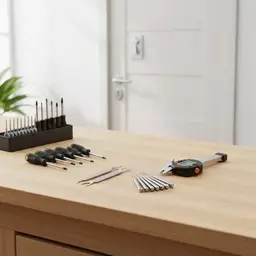
- Gather the Right Tools: You’ll need a pair of needle-nose pliers or a key extractor tool.
- Use the Right Technique: Gently wiggle the broken key to see if it can be pulled out easily.
- Apply Lubrication: If it’s stuck, a little lubricant can help loosen it.
Using a key extractor is another effective method. If you've never used one before, it’s best to watch a quick tutorial for guidance. Trust me, it’s easier than it sounds!
Using a Key Extractor: A Safe Approach
A key extractor tool can be very handy for removing a broken key. Simply insert the tool alongside the broken piece and gently pull it out. The key extractor usually has a hook that latches onto the broken key, allowing for a firm grip. Just remember, if you feel resistance, don’t force it—take a step back and reassess your approach!
Understanding Key Extraction Tools and Their Usage
Aside from standard pliers, there are various key extraction kits available that come with different sized tools to fit various locks. I recommend keeping a basic extraction kit handy, especially if you have older locks that tend to be more temperamental. Familiarize yourself with the tools, and practice your technique just in case! For safety when working with machinery or locks, it's always good to be aware of lockout/tagout procedures, as highlighted by OSHA's regulations.
When to Seek Professional Help
Sometimes, despite your best efforts, a lock problem may require a professional touch. If you’re dealing with a particularly stubborn lock or if the broken key is causing damage to the lock itself, it might be time to call in a locksmith. Remember, it’s better to be safe than sorry when it comes to your home security!
Dealing with Lock Malfunctions: Additional Troubleshooting Techniques
With these fixes in mind, you’re now equipped to handle sticky locks and broken keys like a pro! Next, let's dive into some additional troubleshooting techniques that can help you deal with other common lock malfunctions. This knowledge will keep you empowered, ensuring you can navigate any lock issue that comes your way!
Recap of Key Points
Here is a quick recap of the important points discussed in the article:
- Sticky locks are often caused by dirt, moisture, and inadequate lubrication.
- Identifying symptoms of lock issues early can prevent further damage and security risks.
- When dealing with broken keys, gentle handling and proper duplicates can prolong key life.
- Different lock types have unique issues—regular maintenance is essential for optimal performance.
- For sticky locks, cleaning and using silicone or graphite lubricants are recommended best practices.
- In case of a broken key, using the right tools and techniques can help remove it effectively.
- When in doubt, seeking professional help is the best approach to avoid damaging locks further.