In a landscape where home security is more important than ever, understanding the nuances of deadbolt locks can be a game changer. Did you know that a well-chosen deadbolt can significantly enhance your home’s defense? Let’s explore the key insights on securing your sanctuary.
What You Will Learn
- Different types of deadbolts—single cylinder, double cylinder, and smart locks—serve unique security needs.
- Selecting a deadbolt made from high-quality materials enhances durability and effectiveness.
- Proper installation is crucial; even the best locks can fail if not installed correctly.
- Evaluate your home’s security needs based on crime rates, past incidents, and vulnerabilities.
- Always lock your doors, utilize all lock features, and engage in regular maintenance for optimal security.
- Emerging technology trends in locks, such as smart and biometric options, offer convenience without compromising security.
- Conduct regular security audits to identify and address potential vulnerabilities around your home.
Deadbolt Security: Key Considerations & Best Practices
Understanding the layers of home security, especially concerning deadbolts, involves assessing various types, evaluating individual needs, and adopting best practices. The visual below outlines these critical aspects for robust home protection.
Choosing the Right Deadbolt
- ✓Type of Deadbolt (Single/Double Cylinder, Smart)
- ✓High-Quality Material for Durability
- ✓Proper Installation Method
Foundation of security
Evaluating Security Needs
- ✓Local Crime Rate Assessment
- ✓History of Security Breaches
- ✓Identifying Entry Point Vulnerabilities
Tailoring your defense
Deadbolt Usage Best Practices
- ✓Always Lock Your Doors (Even When Home)
- ✓Utilize All Lock Mechanisms
- ✓Perform Regular Maintenance Checks
Maximizing protection
Advanced Security Features
- ✓Smart Technology (Remote Access via Apps)
- ✓Biometric Access (Fingerprint Recognition)
- ✓Higher ANSI Grade Ratings
Integrating modern tech
Finding Local Locksmith Services
- ✓Research Reputable Local Experts
- ✓Consultation for Security Needs
- ✓Professional vs. DIY Installation
Expert guidance
Conducting Security Audits
- ✓Check All Entry Points (Doors, Windows)
- ✓Review Outdoor Lighting Effectiveness
- ✓Evaluate Current Deadbolt Condition & Needs
Proactive vulnerability assessment
Understanding the Importance of Deadbolt Security in 2025
In today's world, the safety of our homes is more critical than ever. With increasing incidents of burglary and home invasions, understanding the importance of deadbolt security is fundamental. At The Locksmith's Narrative, I’m passionate about sharing the knowledge necessary to empower homeowners like you to feel safe and secure in your own space. The deadbolt is a pivotal component in your security arsenal—let's delve into why.
Deadbolts provide an extra layer of protection compared to standard locks. They are designed to resist forced entry, making them a preferred choice for securing exterior doors. In 2025, as technology advances, the need for robust security measures continues to grow. Knowing how to choose the right deadbolt can make a significant difference in your home’s defense.
Why Securing Your Home Starts with the Right Deadbolt
The first step in securing your home is selecting the right deadbolt. With various options available, it’s essential to consider what fits your needs best. Here are some key points to consider:
- Type of Deadbolt: Single cylinder, double cylinder, and smart locks each serve different purposes and security levels. For instance, the General Services Administration (GSA) provides security requirements that can help in understanding different security levels for various applications.
- Material Quality: Look for deadbolts made from high-quality materials to ensure durability.
- Installation Method: Proper installation is crucial; a poorly installed deadbolt can compromise your security.
By taking time to understand your options, you can select a deadbolt that not only secures your home but also gives you peace of mind.
Evaluating Your Home Security Needs and Risks
Every home has unique security needs based on its location, layout, and the lifestyle of its inhabitants. It’s important to evaluate these factors to determine the most effective security measures. Here are some questions to consider:
- What is the crime rate in your area?
- Do you have a history of security breaches?
- Are there specific vulnerabilities in your home’s entry points?
Understanding these elements can guide your decision-making process, ensuring that the deadbolt you choose addresses the specific risks you face. Remember, it’s not just about having a lock; it’s about having the right lock!
Home Safety Tips: Best Practices for Deadbolt Usage
Once you’ve chosen the right deadbolt, it’s essential to use it effectively. Here are some best practices to keep your home safe:
- Always Lock Your Doors: Even when you’re at home, make a habit of locking your doors.
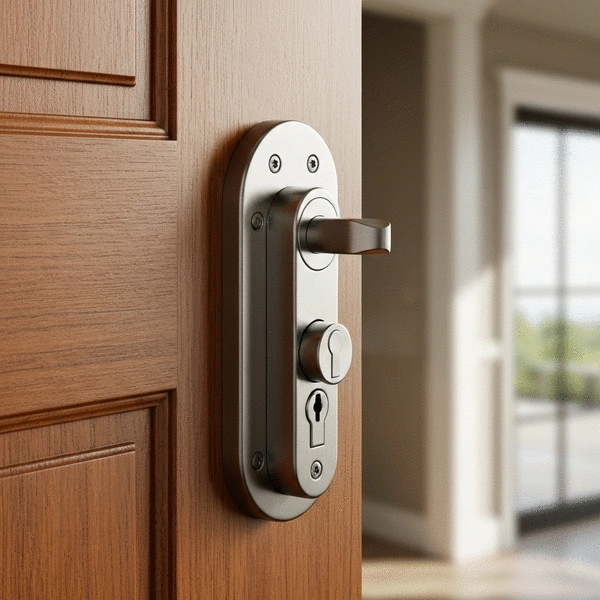
- Utilize All Locks: If your deadbolt has a key and a thumb turn, use them both to maximize security.
- Regular Maintenance: Check your deadbolt periodically for any wear and tear, and lubricate it to ensure smooth operation.
Implementing these practices will help enhance the effectiveness of your deadbolt and overall home security. Remember, safety is a continuous effort, and every small step counts!
Pro Tip
To enhance your home security beyond the deadbolt, consider integrating a smart lock with your existing system. These locks not only provide remote access via smartphone apps but can also alert you of unauthorized attempts to enter your home. This added layer of security gives you peace of mind, especially when you're away from home.
Frequently Asked Questions About Deadbolt Security
Q1: What are the main types of deadbolts and their differences?
A1: The main types are single-cylinder, double-cylinder, and smart locks. Single-cylinder deadbolts have a keyhole on the outside and a thumb-turn on the inside. Double-cylinder deadbolts require a key on both sides, which can be a fire hazard if not used carefully for egress. Smart locks offer advanced features like remote access via apps, biometric recognition, and integration with home automation systems, as detailed in NIST Special Publication 800-53 which outlines security controls for information systems, often applicable to smart device security.
Q2: How important is material quality for a deadbolt?
A2: Material quality is crucial for a deadbolt's durability and resistance to forced entry. High-quality materials like solid brass, bronze, or hardened steel can withstand various forms of attack, significantly enhancing your home's defense.
Q3: Why is professional installation recommended for deadbolts?
A3: Proper installation is paramount. Even the best deadbolt can be compromised if not installed correctly. Professional locksmiths ensure the lock is perfectly aligned, securely fastened, and functions optimally, maximizing its security benefits. Incorrect installation can leave vulnerabilities that intruders can exploit.
Q4: How can I assess my home's security needs?
A4: Assessing your home's security needs involves considering several factors: the local crime rate, any past security breaches in your area or home, and identifying potential vulnerabilities in your home's entry points like doors and windows. This comprehensive evaluation helps you tailor your security measures effectively.
Q5: What are some best practices for using deadbolts?
A5: Best practices include always locking your doors, even when you are home, utilizing all available lock mechanisms (like both key and thumb-turn if applicable), and conducting regular maintenance checks. These simple habits significantly enhance your deadbolt's effectiveness.
Q6: What emerging technologies should I consider for home security?
A6: Emerging technologies include smart locks with remote access via smartphone apps, biometric access systems (like fingerprint recognition), and deadbolts with higher ANSI grade ratings. These technologies offer enhanced security and convenience, aligning with modern security standards like those found in SCIF security and egress requirements, which highlight the importance of advanced locking mechanisms.
Q7: How often should I conduct a security audit of my home?
A7: It is advisable to conduct regular security audits, ideally annually or whenever you notice changes in your home's security environment or the local crime rate. This involves checking all entry points, reviewing outdoor lighting, and evaluating the condition and suitability of your current deadbolts.
Recap of Choosing the Right Deadbolt for Your Home in 2025
As we reflect on the journey of selecting the right deadbolt for your home, it's clear that understanding security features is more crucial now than ever. With advancements in technology and evolving security challenges, your choice should not only protect your home but also enhance your peace of mind. Remember, a reliable deadbolt is your first line of defense!
It's vital to keep an eye on emerging trends in technology. From smart locks to biometric systems, the options available can feel overwhelming. However, by focusing on features that matter most for your specific needs, you can navigate this landscape with confidence.
Final Thoughts on Security Features and Technology Trends
In 2025, security is about more than just locking your door; it’s about integrating technology that works for you. Here are some key features to consider when choosing your deadbolt:
- Smart Technology: Consider locks that offer remote access via smartphone apps.
- Biometric Access: Fingerprint recognition can add an extra layer of security.
- Grade Ratings: Look for deadbolts with higher ANSI ratings for better durability.
These features not only bolster your security but also add convenience to your daily routine. The evolution of deadbolt technology means you can choose a lock that fits seamlessly into your lifestyle.
Your Next Steps: Finding Local Locksmith Services and Installation Guidance
Now that you’re equipped with knowledge about deadbolts, the next step is to find a local locksmith who can help you make the best choice for your home. At The Locksmith's Narrative, I’m passionate about helping you navigate this process! Here’s how you can proceed:
- Research Local Experts: Look for locksmiths with good reputations and customer reviews.
- Consultation: Schedule a time to discuss your security needs with them.
- Installation: Decide whether you prefer professional installation or feel confident enough for a DIY project.
Getting the right guidance can make all the difference in ensuring your deadbolt is properly installed and functioning optimally.
Conducting Security Audits: Assessing Your Home's Vulnerabilities
Finally, it's essential to assess your home’s overall security. Conducting a security audit allows you to identify any vulnerabilities that could compromise your safety. Here are some steps to effectively carry out your audit:
- Check Entry Points: Examine all doors and windows to ensure they’re secure.
- Review Lighting: Ensure outdoor areas are well-lit to deter potential intruders.
- Evaluate Your Deadbolt: Check for wear and tear, and consider whether it meets your current security needs.
By proactively assessing your vulnerabilities, you can take measures to fortify your home and protect what matters most. Remember, security is not a one-time effort; it’s an ongoing commitment!
Recap of Key Points
Here is a quick recap of the important points discussed in the article:
- Choose the right type of deadbolt: Single cylinder, double cylinder, or smart locks, depending on your security needs.
- Prioritize high-quality materials for durability and resistance to forced entry.
- Ensure proper installation, as a poorly installed deadbolt can compromise your security.
- Evaluate your home’s unique security needs based on location, layout, and lifestyle.
- Implement best practices: Always lock your doors, utilize all locks, and perform regular maintenance.
- Stay informed about emerging security technologies, such as smart locks and biometric access systems.
- Conduct regular security audits to identify and address vulnerabilities in your home.