
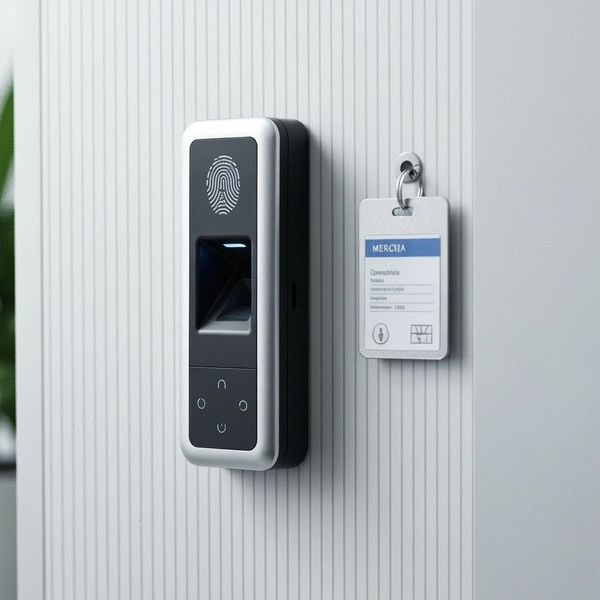
In an era where security breaches are alarmingly common, understanding modern solutions is essential. Biometric access control technologies stand at the forefront of this evolution, promising not only to enhance security but also to streamline access processes in ways we never imagined possible.
What You Will Learn
- Biometric access control leverages unique physical characteristics, making it difficult to bypass or forge identities.
- Common biometric methods include fingerprint recognition, facial recognition, iris scans, and voice recognition.
- Advantages of biometric systems include increased accuracy, elimination of lost keys, and enhanced audit trails.
- Implementing biometric systems can lead to significant long-term cost savings despite initial investments.
- Biometric systems integrate well with existing security measures, enhancing overall security management.
Key Biometric Authentication Methods and Practical Benefits
This visual compares the primary biometric authentication methods and highlights the practical benefits of implementing biometric security systems in a commercial setting.
Biometric Authentication Methods
Practical Benefits of Biometric Security
Understanding the Shift: Biometric Access Control in Commercial Security
As we navigate the evolving landscape of security, the concept of biometric access control is becoming increasingly relevant. But what exactly does it mean? At its core, biometric access control refers to security systems that utilize unique physical characteristics to verify individual identities. This can include anything from fingerprints and facial recognition to iris scans. Each method relies on biological traits, making these systems incredibly difficult to bypass or forge.
Imagine walking into a building and simply having your identity confirmed without the need to fumble with keys or access cards. That’s the beauty of biometric technology—it streamlines the access process and enhances overall security. Now, let’s dive deeper into how these systems work!
What is Biometric Access Control?
To truly grasp the significance of biometric access control, it’s essential to understand its components. Here are some of the most common biometric methods:
- Fingerprint Recognition: Each person's finger has unique patterns that can be scanned and retained.
- Facial Recognition: This technology captures facial features and uses algorithms to identify individuals.
- Iris Scans: The colored ring around the eye has distinct patterns unique to each person.
- Voice Recognition: Analyzes voice patterns and characteristics for identification.
These methods contribute to a robust security framework, ensuring that only authorized personnel gain access to sensitive areas. By leveraging unique biological traits, businesses can significantly reduce the risk of unauthorized entry.
How Biometric Access Control Enhances Security
In a world where traditional locks and keys can be easily compromised, biometric systems stand out by offering several advantages:
- Increased Accuracy: Biometric systems rely on unique biological identifiers, making it almost impossible for someone to impersonate another person. For example, recent reports highlight the importance of robust biometric systems to prevent misuses of biometric information that can harm consumers.
- Elimination of Lost Keys: With biometrics, there’s no need to worry about lost or stolen keys, which are common vulnerabilities.
- Enhanced Audit Trails: These systems can log access attempts, allowing businesses to track who accessed an area and when. This capability is crucial for maintaining security and accountability, as detailed in reports like the New York State Biometrics Report.
By adopting biometric access control, companies can not only safeguard their assets but also foster a culture of security awareness among employees. It’s about creating a secure environment that adapts to the challenges of modern threats!
Key Biometric Authentication Methods Explained
Let’s explore the various biometric authentication methods in more detail:
- Fingerprint Recognition: Widely used in smartphones and secure facilities, this method is quick and efficient.
- Facial Recognition: Frequently employed in retail and public spaces, it allows for seamless customer experiences. The use of facial recognition technology is also under scrutiny for its applications in areas like transportation, as discussed in a report on the use of FRT by the TSA.
- Iris Scanning: Highly secure and used in settings like airports, where strict security measures are mandatory.
- Voice Recognition: Gaining popularity in phone banking and virtual assistants for added security.
These biometric methods not only streamline access but also significantly enhance security protocols across various industries. By integrating these technologies, businesses can stay ahead of security challenges while ensuring a smooth user experience.
Pro Tip
To maximize the effectiveness of your biometric access control systems, consider integrating them with your existing security protocols. This not only enhances overall security but also allows for real-time monitoring and auditing, ensuring that any unauthorized access attempts are immediately recorded and addressed.
The Practical Benefits of Implementing Biometric Security Systems
In today's fast-paced world, businesses are constantly seeking ways to improve security without sacrificing efficiency. One of the most significant advancements in commercial security is the implementation of biometric systems. These systems offer not only enhanced security but also a host of practical benefits that can transform how businesses operate.
At The Locksmith's Narrative, I've seen firsthand how businesses can streamline their security measures through biometrics. Let's dive into some of the key benefits!
Convenience and Speed in Access
One of the most compelling advantages of biometric security systems is the elimination of physical keys and access cards. This means no more fumbling through pockets or bags for a key card that may be misplaced or forgotten.
- Seamless Entry: Employees can gain access with a simple fingerprint or facial scan, which is not only faster but also reduces the risk of unauthorized entry.
- User Experience: Imagine the convenience for employees who can quickly enter the premises without delays—this can dramatically enhance morale and productivity!
- Minimal Maintenance: No more replacing lost keys or cards, which saves time and costs associated with those replacements.
Ultimately, this streamlined process fosters a much smoother workflow, allowing employees to focus on their tasks rather than worrying about access issues.
Cost Efficiency: Analyzing Long-Term Savings
Now, let’s talk dollars and cents! While the initial investment in biometric systems might seem steep, the long-term savings can be substantial. Businesses often find that these systems pay for themselves in various ways.
- Reduced Costs: Say goodbye to the ongoing expenses of replacing lost keys and cards.
- Operational Efficiency: With fewer security breaches, there are fewer disruptions that can lead to costly downtime.
- Insurance Benefits: Some insurance companies offer lower premiums for businesses that employ advanced security measures like biometrics.
By analyzing these factors, businesses can clearly see how the benefits of biometric security systems outweigh the initial costs. It’s a smart move for both security and budget!
Integration with Access Control Systems
One of the most exciting aspects of biometric systems is their ability to integrate seamlessly with existing access control systems. This integration is crucial for businesses looking to enhance their security infrastructure without starting from scratch.
- Compatibility: Biometric systems can often work alongside traditional locks and access systems, making upgrades easier.
- Scalability: As your business grows, adding more biometric points of access can be done effortlessly.
- Centralized Management: Integration allows for centralized control over all access points, simplifying security management.
This seamless integration ensures that businesses don’t just upgrade their security; they enhance their overall operations and efficiency as well.
Frequently Asked Questions (FAQs)
Here are some common questions about biometric access control:
- What is biometric access control?
Biometric access control uses unique physical characteristics, such as fingerprints, facial features, or iris patterns, to verify an individual's identity and grant or deny access. - What are the main types of biometric authentication methods?
The main methods include fingerprint recognition, facial recognition, iris scanning, and voice recognition. - How do biometric systems enhance security compared to traditional methods?
Biometric systems offer increased accuracy, eliminate vulnerabilities associated with lost or stolen keys/cards, and provide detailed audit trails of access attempts, making them much harder to bypass or forge. - Are biometric systems cost-effective in the long run?
Yes, despite initial setup costs, biometric systems can lead to significant long-term savings by reducing expenses related to lost key/card replacements, minimizing downtime from security breaches, and potentially lowering insurance premiums. - Can biometric systems be integrated with existing security infrastructure?
Absolutely. Biometric systems are designed for seamless integration with existing access control systems, allowing for easier upgrades, scalability as a business grows, and centralized management of all access points.
Recap of Key Points
Here is a quick recap of the important points discussed in the article:
- Biometric access control utilizes unique physical characteristics like fingerprints, facial recognition, and iris scans for identity verification.
- This technology enhances security by providing increased accuracy, eliminating the risk of lost keys, and creating detailed audit trails.
- Practical benefits include convenience and speed in access, cost efficiency in the long run, and seamless integration with existing security systems.