
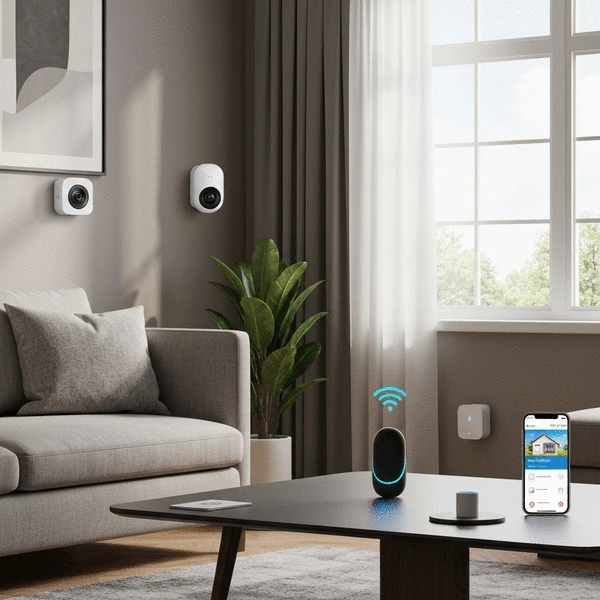
As we step into a future where technology seamlessly integrates with our lives, the evolution of home security systems marks a pivotal shift. How can AI-powered security systems enhance your peace of mind? This exploration reveals not only the potential of these systems but also the best practices for embracing them.
What You Will Learn
- AI-powered security systems enhance traditional measures with real-time monitoring and alerts tailored to your lifestyle.
- Machine learning enables systems to adapt to your household behaviors, minimizing false alarms.
- Prioritizing compatibility with existing devices ensures seamless integration of AI security systems.
- Regular software updates are crucial for protecting against vulnerabilities in your security system.
- Engaging with community resources and training can help you stay informed about the latest in smart home technologies.
Key Pillars of AI-Powered Smart Home Security
AI-powered security systems leverage advanced technologies to enhance safety and efficiency. The diagram below illustrates the core components that drive these intelligent systems, ensuring your home is protected with smart, adaptive monitoring.
Real-time Monitoring & Alerts
Systems monitor activity, learning routines to customize alerts and notifications, keeping you informed.
Machine Learning & Adaptation
AI learns from data, distinguishing normal from suspicious activities, and continuously improves responses.
Integration with Smart Devices
Seamlessly connects with other smart home tech, enhancing overall security and control.
Predictive Analytics for Threats
Analyzes patterns to anticipate and flag potential security threats before they escalate.
Understanding AI-Powered Security Systems for Smart Homes in 2025
As we venture into 2025, the world of home security is evolving rapidly, with AI-powered security systems leading the charge. These innovative systems utilize advanced technologies to enhance safety and efficiency, providing homeowners with a sense of security that was once unimaginable. In this article, we will explore what AI-powered security systems are, their integration with smart home devices, and the best practices for implementation—all while keeping a friendly and informative tone.
Imagine waking up in the middle of the night and knowing your home is not just secure, but intelligently watching over you. AI-driven systems can analyze patterns and activities, alerting you to any unusual behavior, making home security smarter and more responsive. Let’s dive into how these technologies work!
What Are AI-Powered Security Systems?
AI-powered security systems are designed to enhance traditional security measures by incorporating artificial intelligence and machine learning. This means that rather than simply triggering an alarm when a door opens unexpectedly, these systems can learn from your daily routines and adapt to changes. For instance, if you typically leave for work at 8 AM, the system can recognize this pattern and adjust its monitoring levels accordingly.
- Real-time monitoring and alerts tailored to your lifestyle
- Integration with various devices, enhancing overall security
- Predictive analytics to identify potential threats
By understanding your habits, AI-powered security systems can provide customized alerts and notifications, ensuring you are always informed about the safety of your home. This personalization is what makes these systems so appealing to tech-savvy homeowners. Furthermore, the National Institute of Standards and Technology (NIST) has explored the trade-offs of transparency and shared responsibility in smart home technology, highlighting the importance of user perception in the effectiveness of these systems.
The Role of Machine Learning and Predictive Analytics
At the heart of AI security systems lies machine learning, a subset of artificial intelligence that allows systems to learn from data and improve over time. This technology can analyze vast amounts of information, creating algorithms that discern between normal and suspicious activities. For example, if a family member typically returns home at 6 PM, the system may flag an unrecognized face at that time as unusual.
- Machine learning algorithms that adapt to your household's specific behaviors
- Predictive analytics that help anticipate potential security threats
- Continuous improvement of security responses based on collected data
What this means for you is a far more robust security solution that evolves alongside your lifestyle. With the ability to minimize false alarms, these systems not only enhance security but also save you from unnecessary panic! Researchers at NYU Engineering have also revealed potential privacy and security threats in smart homes, underscoring the need for advanced AI and machine learning to counteract these vulnerabilities.
Pro Tip
To maximize the effectiveness of your AI-powered security system, regularly review the data it collects. Understanding the patterns and anomalies detected by the system not only helps in fine-tuning its performance but also enhances your overall security awareness. Remember, a well-informed homeowner is a secure homeowner!
Summarizing Best Practices for Smart Home Security
As we wrap up our exploration of smart home security, it’s crucial to distill everything into actionable best practices. These strategies will not only help you integrate AI-powered systems effectively but also ensure that your home remains a safe haven. Understanding these best practices can empower you to take control of your home security!
When considering the integration of AI security systems, here are some key takeaways to keep in mind:
- Prioritize compatibility with existing devices to ensure seamless operation.
- Regularly update your software to protect against vulnerabilities.
- Invest in user-friendly systems that enhance your security without complicating your routine.
- Consider scalability for future enhancements as your needs evolve.
These points are essential for anyone looking to stay ahead in the world of smart home security. Each aspect strengthens the overall safety net around your home and offers peace of mind.
Key Takeaways for Integrating AI-Powered Systems
As I dive deeper into AI-powered security, I can't help but reflect on the transformative potential these systems hold. Integrating AI into your home security isn’t just about technology; it’s about crafting a secure environment that fits your lifestyle. Here’s a summary of what you should keep in mind:
- Invest in a solid foundation: Choose reliable AI systems that are well-reviewed.
- Ensure integration: Look for systems that work well with other smart devices.
- Stay informed: Keep up with the latest trends and updates in AI technology.
Incorporating these elements can significantly enhance your home security while ensuring you’re prepared for future developments in technology. Your home security journey doesn’t have to be daunting; it can be an exciting adventure!
Preparing for the Future of Smart Home Security
As technology continues to evolve, so do the methods we use to secure our homes. The future of smart home security is both exciting and a little daunting. Getting ready for what's next means being proactive about your security measures today, as outlined by federal guidelines on the safe and trustworthy development of artificial intelligence.
To prepare effectively, consider the following steps:
- Engage with communities: Stay connected with other homeowners and security experts.
- Explore training: Consider tutorials or workshops on smart home technologies.
- Review your security regularly: Conduct assessments to adapt to new threats and technologies.
By taking these steps, you’ll position yourself to not only adapt to but also embrace the innovations in home security. Remember, knowledge is power—especially when it comes to protecting your family and belongings!
Recap of Key Points
Here is a quick recap of the important points discussed in the article:
- AI-Powered Security Systems: Utilize machine learning to adapt to your daily routines and enhance security.
- Integration: Ensure compatibility with existing smart home devices for seamless operation.
- Regular Updates: Keep your software updated to protect against vulnerabilities.
- User-Friendly Systems: Choose systems that are easy to use and integrate into your lifestyle.
- Scalability: Select systems that can grow with your future security needs.
- Engagement: Stay connected with communities and experts to keep informed about the latest trends in home security.
Frequently Asked Questions about AI-Powered Security Systems
- What are AI-powered security systems?
- AI-powered security systems use artificial intelligence and machine learning to enhance traditional security measures. They learn from your daily routines, adapt to changes, and provide customized alerts, making home security smarter and more responsive.
- How do machine learning and predictive analytics contribute to home security?
- Machine learning allows AI systems to analyze data, distinguish between normal and suspicious activities, and continuously improve their responses over time. Predictive analytics help these systems anticipate and flag potential security threats before they escalate, minimizing false alarms and providing a more robust security solution.
- Why is compatibility important for AI security systems?
- Prioritizing compatibility ensures that your AI security system can seamlessly integrate with your existing smart home devices. This enhances overall security and control, allowing all your smart technologies to work together effectively for a comprehensive security solution.
- How often should I update my AI security system's software?
- Regular software updates are crucial for protecting against vulnerabilities. Updates often include security patches and feature enhancements that keep your system robust against new threats and operating at peak performance.
- What steps can I take to prepare for the future of smart home security?
- To prepare effectively, you should engage with smart home communities and security experts, explore training or workshops on new technologies, and regularly review your home security setup to adapt to emerging threats and innovations.